At a glance
| Program | What it covers | Amount | Key date |
|---|---|---|---|
| Cheaper Home Batteries (federal) | New home batteries | Discount from certificates: 6.8 per kWh, tapered above 14 kWh | Drops to 5.7 per kWh from 1 Jan 2027 |
| Solar Homes panel rebate (Solar Victoria) | Solar panels for eligible owner-occupiers | Up to $1,400, plus optional interest-free loan up to $1,400 | Moves into VEU from 1 Jul 2027 |
| Solar Victoria battery loan | Batteries | Closed | No longer taking applications |
| Solar Victoria hot water rebate | Heat pump and solar hot water | Up to $1,400 (locally made) or $1,000 | Ongoing |
| Victorian Energy Upgrades | Gas ducted heating replaced with reverse cycle | Up to $5,530 for households, by system size | Applied before work starts |
| Home EV chargers | Household chargers | No Victorian household rebate we are aware of | Checked 28 October 2026 |
Federal battery discount
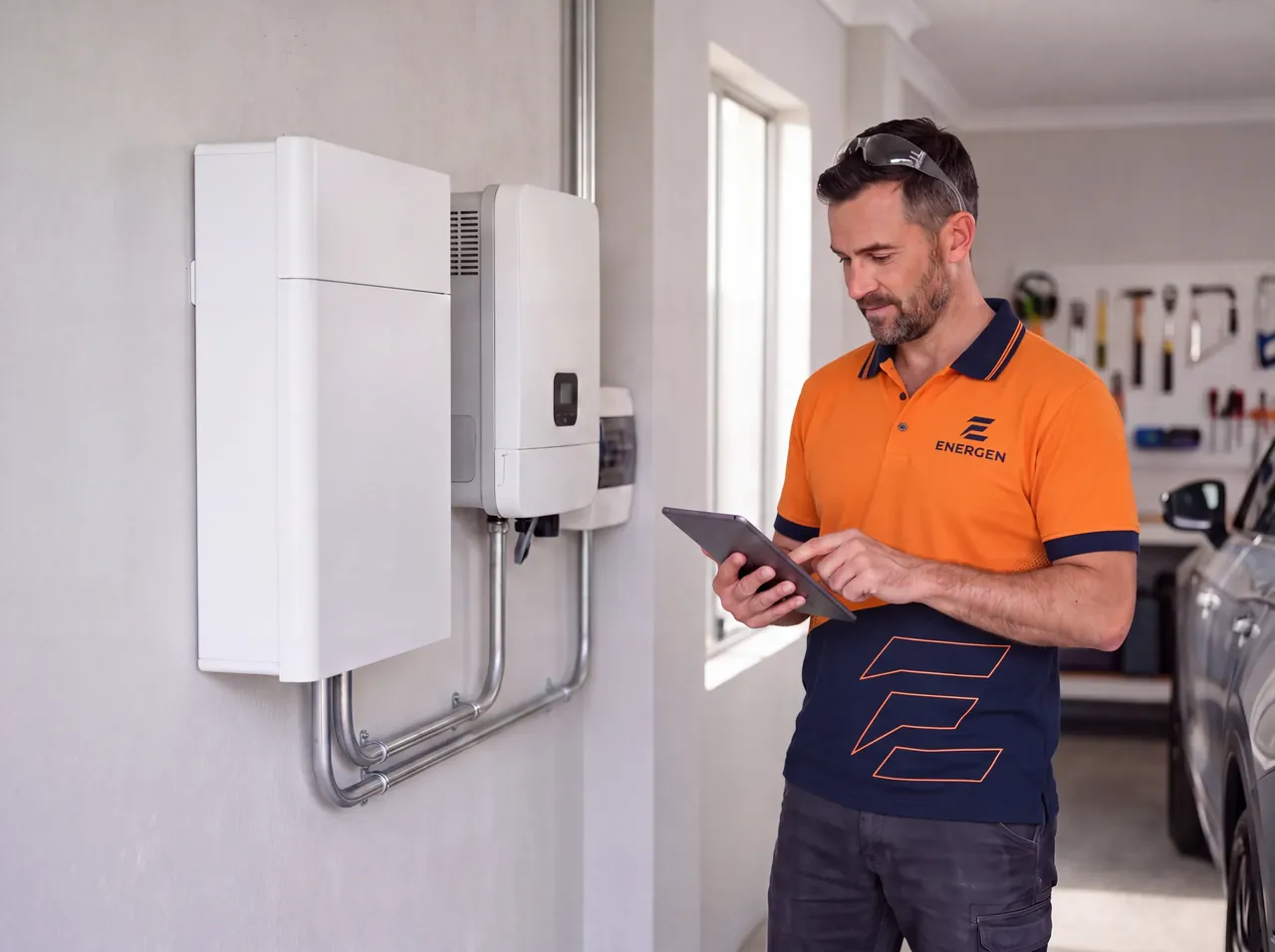
The Cheaper Home Batteries Program takes a discount off a new battery through small-scale technology certificates (STCs). Your installer claims them and takes the value off your price.
- For batteries installed between May and December 2026, each kWh of usable capacity earns 6.8 certificates.
- From 1 January 2027 that drops to 5.7, and it keeps stepping down every six months.
- The full rate applies to the first 14 kWh. From 14 to 28 kWh it is 60%, and from 28 to 50 kWh it is 15%.
- What counts is the installation date, not the day you sign.
Solar Victoria panel rebate
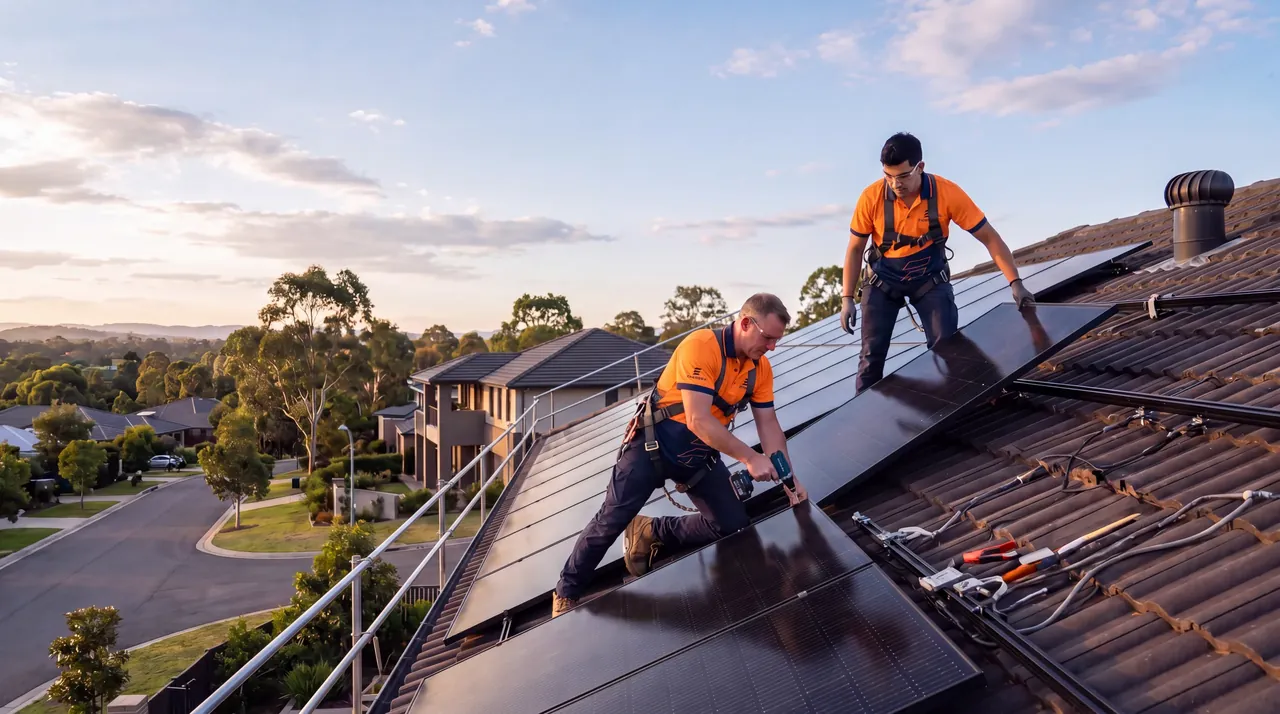
Eligible owners can get up to $1,400 off solar panels, plus an optional interest-free loan of up to $1,400. You generally need:
- a combined household taxable income under $150,000
- a property worth under $3 million
- no solar installed at the address in the last 10 years, and no previous Solar Homes rebate at the address
- to be an owner-occupier, including a home being built
Rental providers have a separate rental rebate of up to $1,400 (up to two properties a year), based on the renters’ household income being under $150,000.
Approval must come before installation. If panels go in first, there is no rebate.
Solar Victoria retailers must already hold New Energy Tech Consumer Code Approved Seller status, give a minimum five-year whole-of-system warranty, and must not sell by door knocking or telemarketing. From 1 July 2027, household solar support moves into the Victorian Energy Upgrades program.
Victorian Energy Upgrades: gas heating to reverse cycle
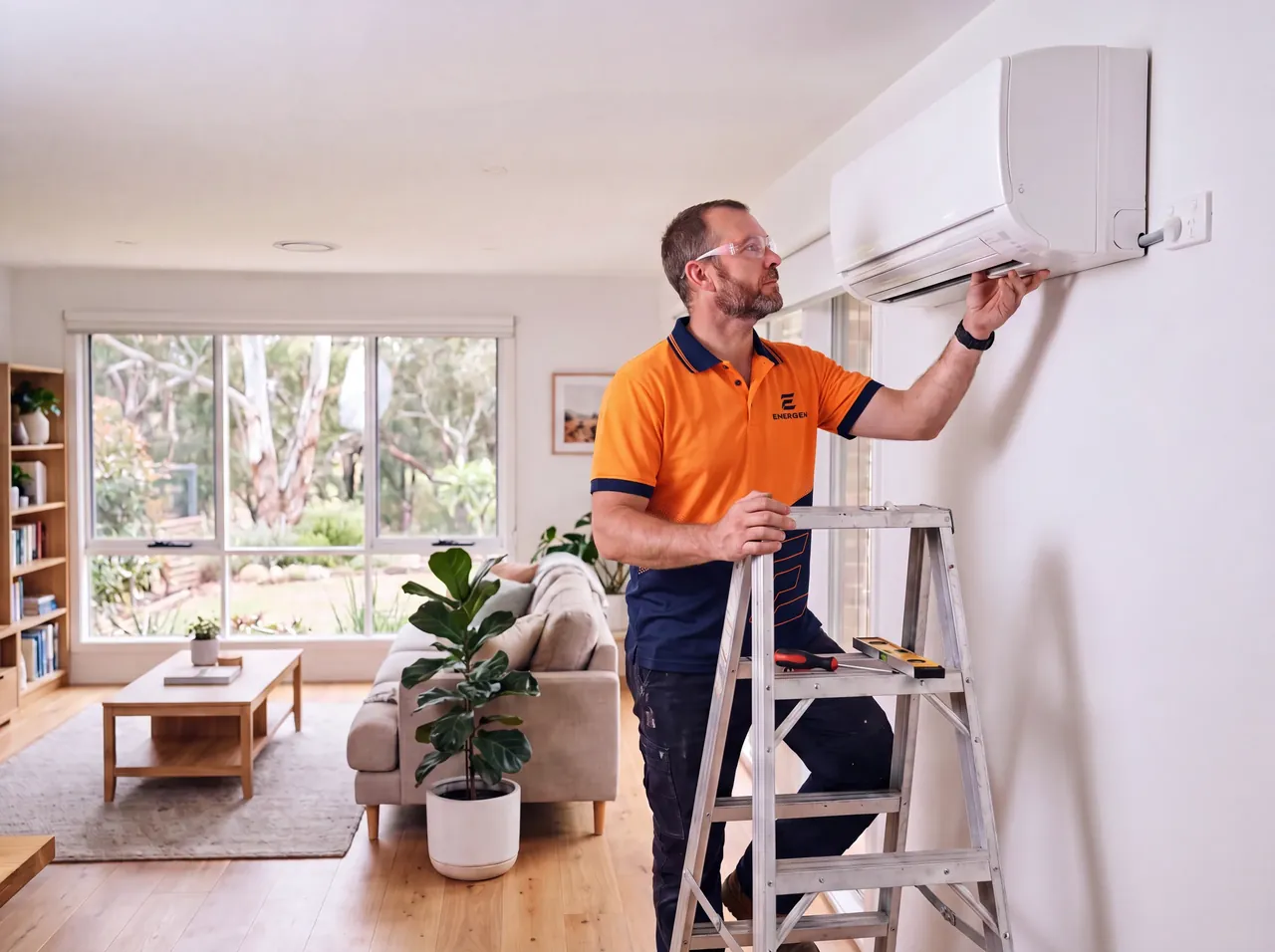
Replacing gas ducted heating with reverse cycle can attract a discount of up to $2,520 for a 10 kW ducted system or four split systems, $4,200 for 16 kW ducted and $5,530 for 22.4 kW ducted (indicative household amounts). An accredited provider must apply it before work starts.
Rentals from 1 March 2027
New minimum standards apply to Victorian rentals. When a gas heater reaches the end of its life it must be replaced with reverse cycle, and gas hot water with a heat pump. New leases also need efficient cooling in the main living area.
What we do for you
We check what you are eligible for before quoting, take every discount off the written price, and handle the network and certificate paperwork. If a rule changes between quote and install, we tell you before install day.
Sources
- Clean Energy Regulator: battery rebates are changing from 1 May 2026
- Energy Matters: Cheaper Home Batteries changes explained (STC factor schedule)
- Solar Victoria: solar panel rebate eligibility
- Solar Victoria: solar panels and hot water rebate amounts
- Solar Victoria: Notice to Market 2026-27, solar PV requirements
- Victorian Energy Upgrades: heating and cooling discounts
- Consumer Affairs Victoria: rental minimum energy efficiency standards, a guide for rental providers
Last checked 28 October 2026. Rules change; we confirm what applies to you on your written quote.