1. Check whether it is actually broken
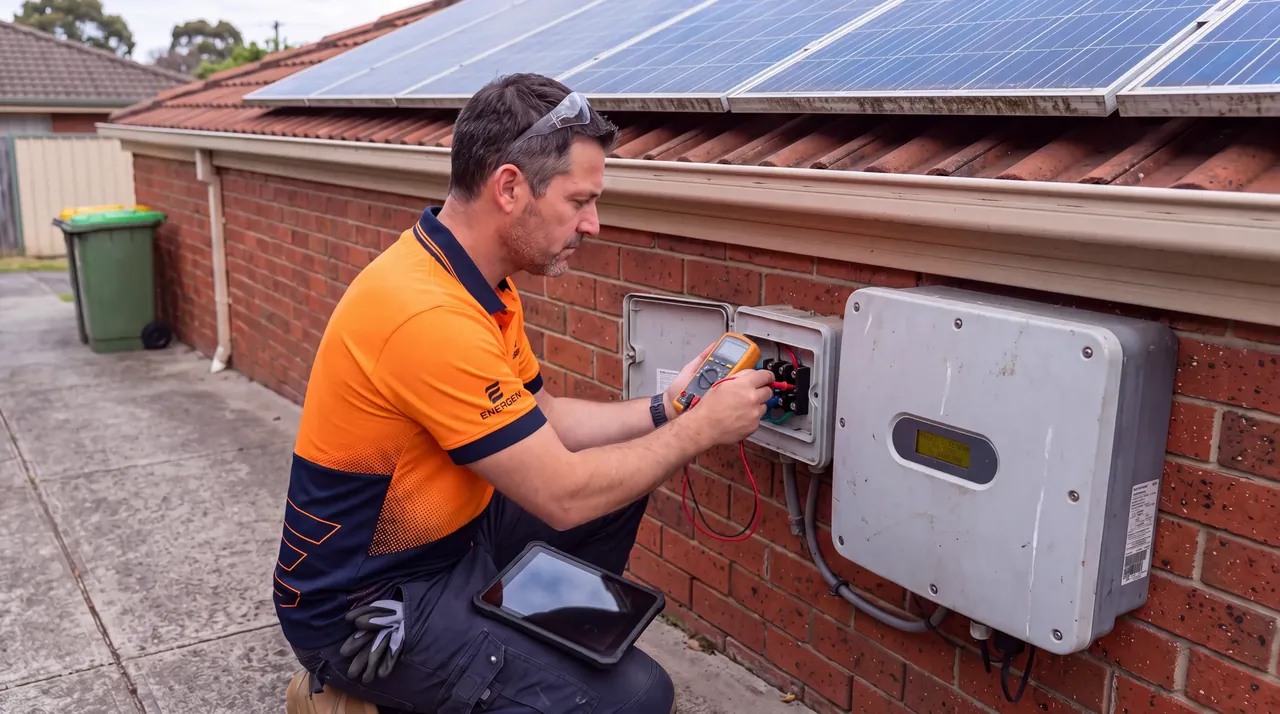
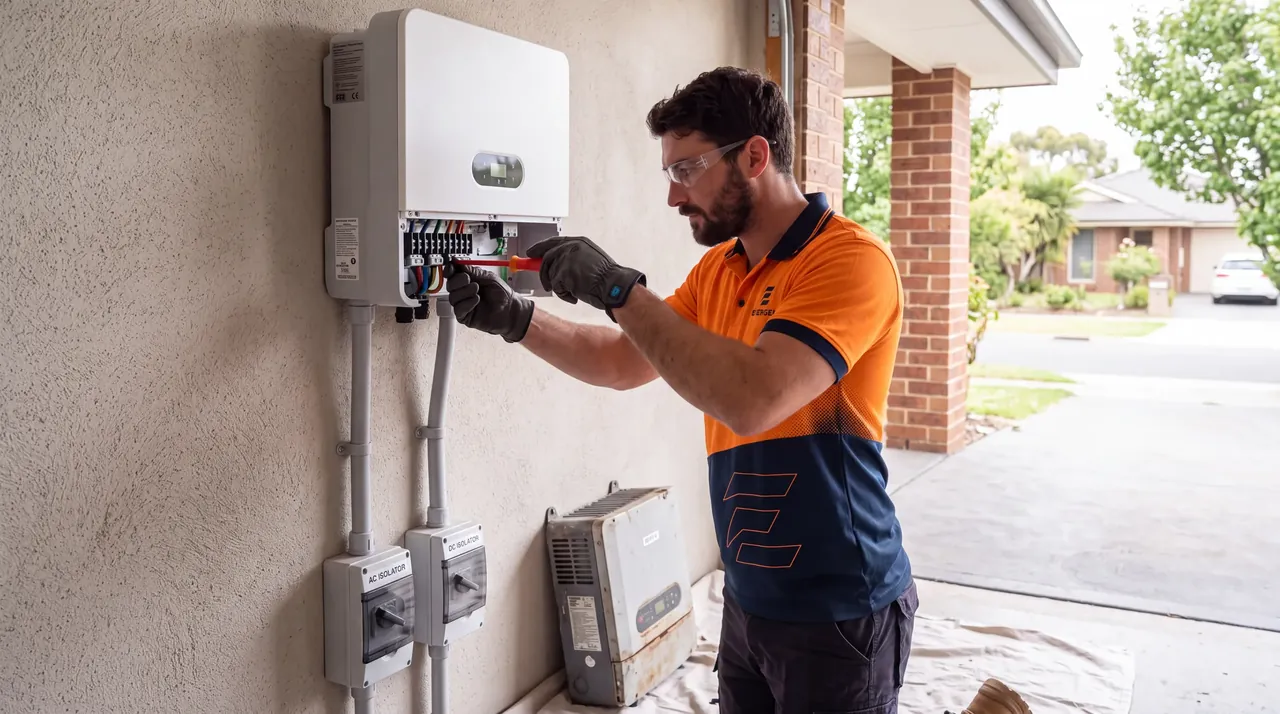
Look at the inverter, usually on a garage or side wall, in daylight. A normal screen or green light means it is probably producing. An error code, a red or orange light, or a blank screen means it needs a look.
Then compare your last few bills with the same quarter a year earlier. If you are buying a lot more power without using more, the system may have stopped.
2. Check whether your installer still exists
Search the company name on ABN Lookup. A cancelled ABN usually means the business has closed. Your invoice or your Certificate of Electrical Safety will have the company name.
3. Work out which warranties still apply
- Panel warranty: from the panel manufacturer. It may still apply if that manufacturer still operates in Australia.
- Inverter warranty: from the inverter manufacturer. Usually shorter than the panel warranty.
- Workmanship warranty: from the installer. This usually ends when the installer closes.
Some manufacturers have also left the Australian market, so do not assume. We check for you as part of a health check.
4. Gather these before you call anyone
- Install date and the invoice, if you have it
- Panel and inverter brand and model (stickers on the side of each)
- Your Certificate of Electrical Safety
- A photo of the inverter screen and any error code
- Your last two power bills
5. Get it tested
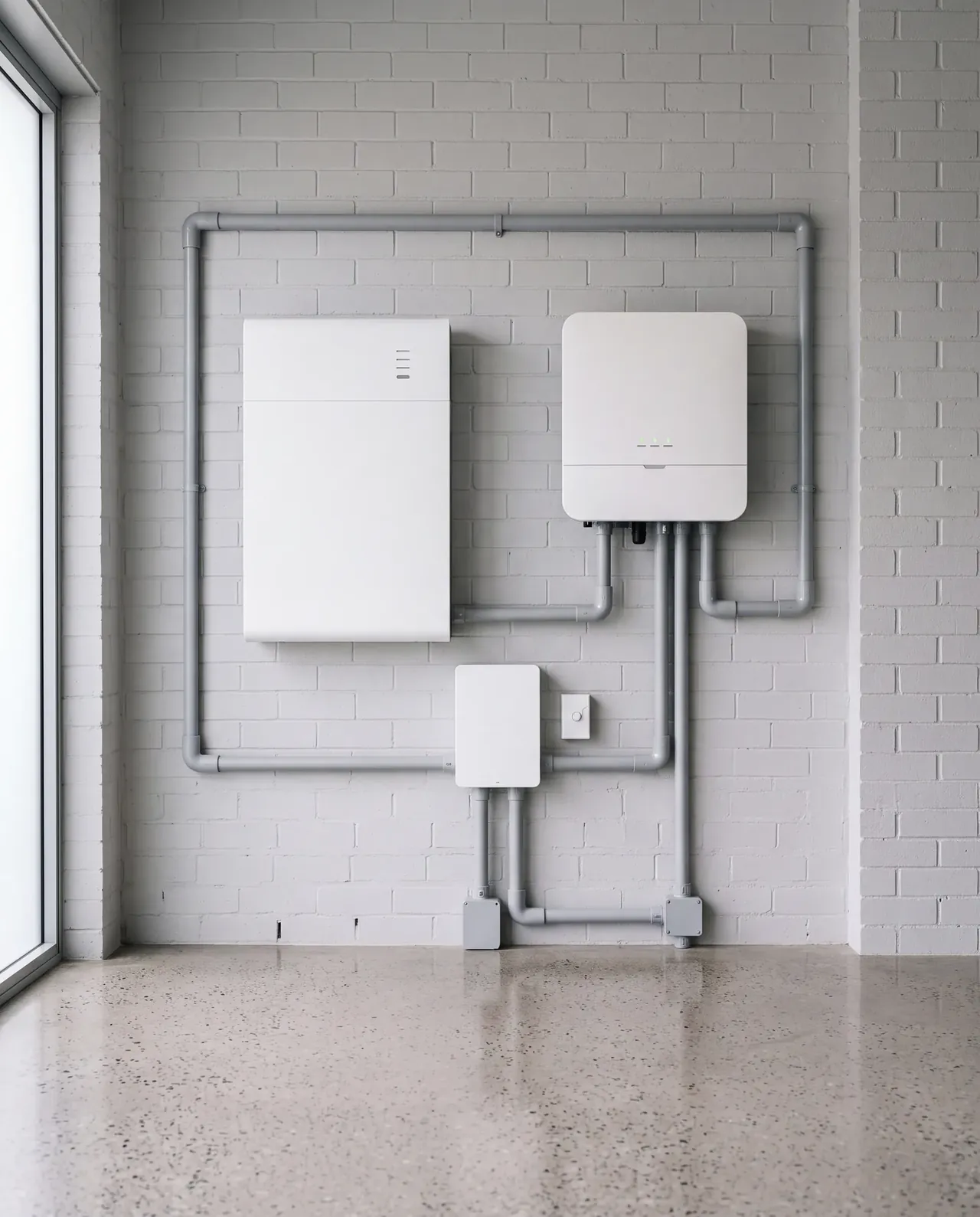
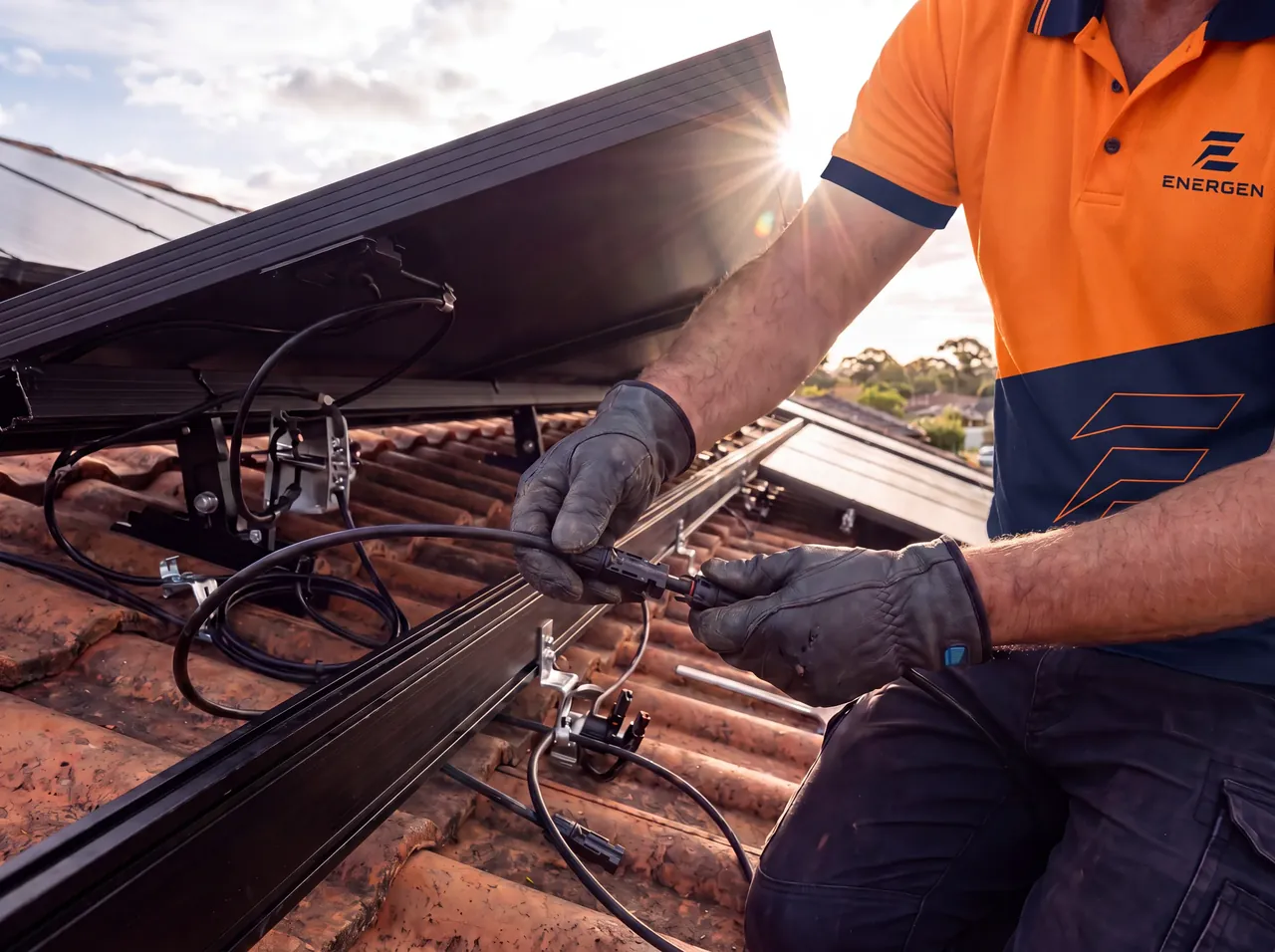
Any licensed electrician with Solar Accreditation Australia (SAA) accreditation can take over your system. Our solar health check tests the whole system and gives you a written report with options. If the inverter has failed, a battery-ready replacement is often better value than repairing an old unit.
Sources
- ABN Lookup (Australian Business Register)
- Why Solar: collapsed solar companies tracker (updated 27 Sep 2026)
- CHOICE: what to do if your solar company goes out of business (2018)
Last checked 28 October 2026. Rules change; we confirm what applies to you on your written quote.